October 1, 2026
Gas fireplaces provide a convenient way to introduce warmth and visual interest into a living space. These systems use natural gas or propane to create flames within a firebox. Some models are primarily decorative, while others are designed to provide substantial supplemental or whole-room heat. Understanding operation can help homeowners evaluate features based on how they expect to use the space. A professional installation also ensures that the appliance, venting configuration, fuel supply, and surrounding materials are considered together.
Compare Direct-Vent and Ventless Designs
Gas fireplace designs differ in how they manage combustion gases and indoor air. Direct-vent models use a sealed combustion chamber and a vent system that brings in combustion air and exhausts gases outside, while ventless models are designed to operate without a conventional exterior vent. Each configuration has specific installation considerations. Homeowners should review manufacturer specifications and local requirements with a qualified professional before selecting a model. These differences can help homeowners compare equipment based on the property's layout.
Evaluate Heating Capacity and Room Size
Heating output is an important consideration when selecting a gas fireplace because different models are designed for different levels of heat production. According to EcoFlow, most gas fireplaces generate between 20,000 and 40,000 BTUs per hour, an output that can be sufficient to serve as the primary heat source for a home measuring roughly 1,500 to 2,500 square feet. Actual heating performance depends on insulation, room layout, climate, ceiling height, and the home's heating system. A professional can help homeowners determine whether a particular appliance is appropriately sized for the space rather than choosing solely by appearance. Proper sizing can also support more comfortable and consistent operation.
Consider Design Styles and Room Placement
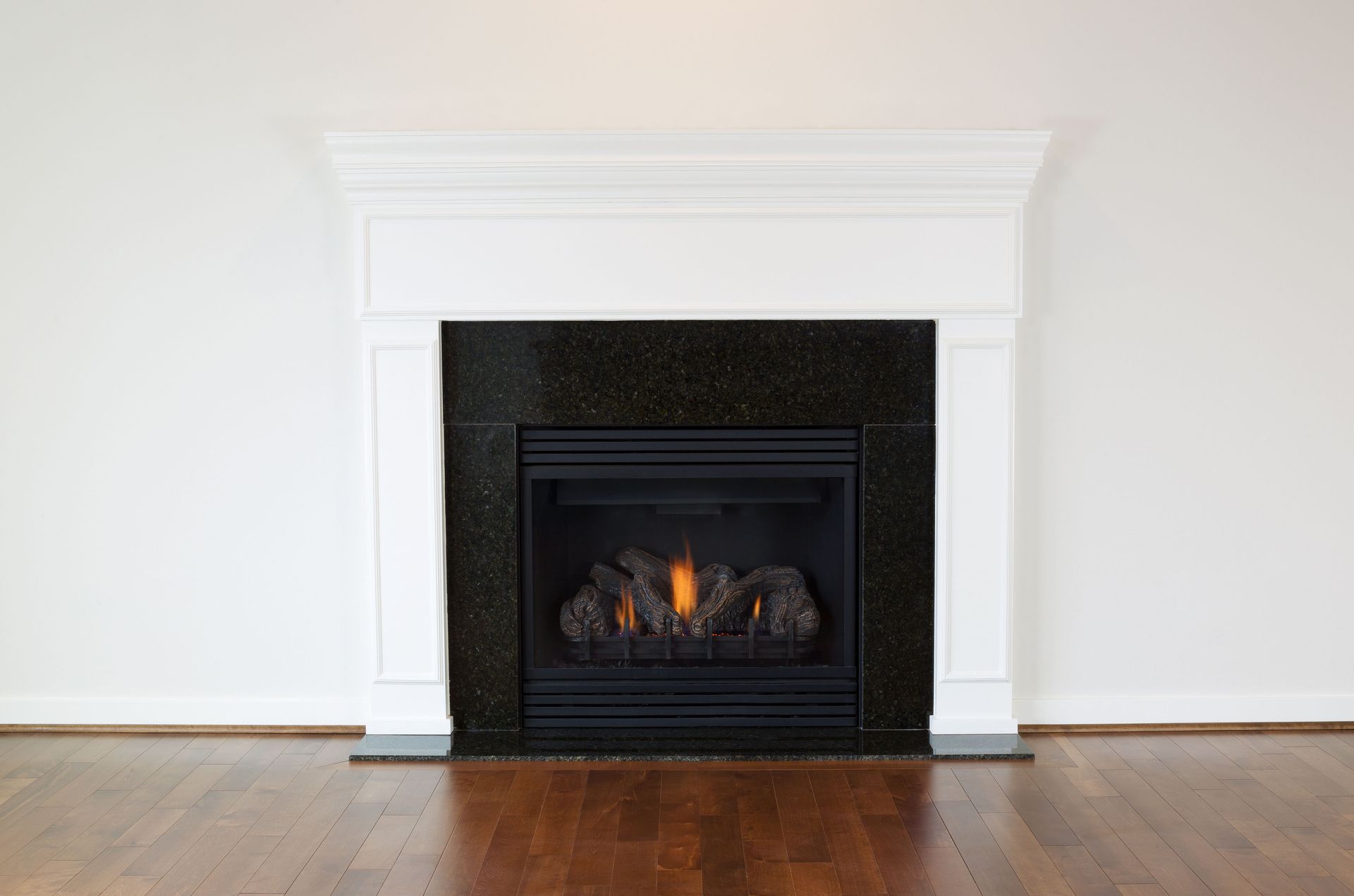
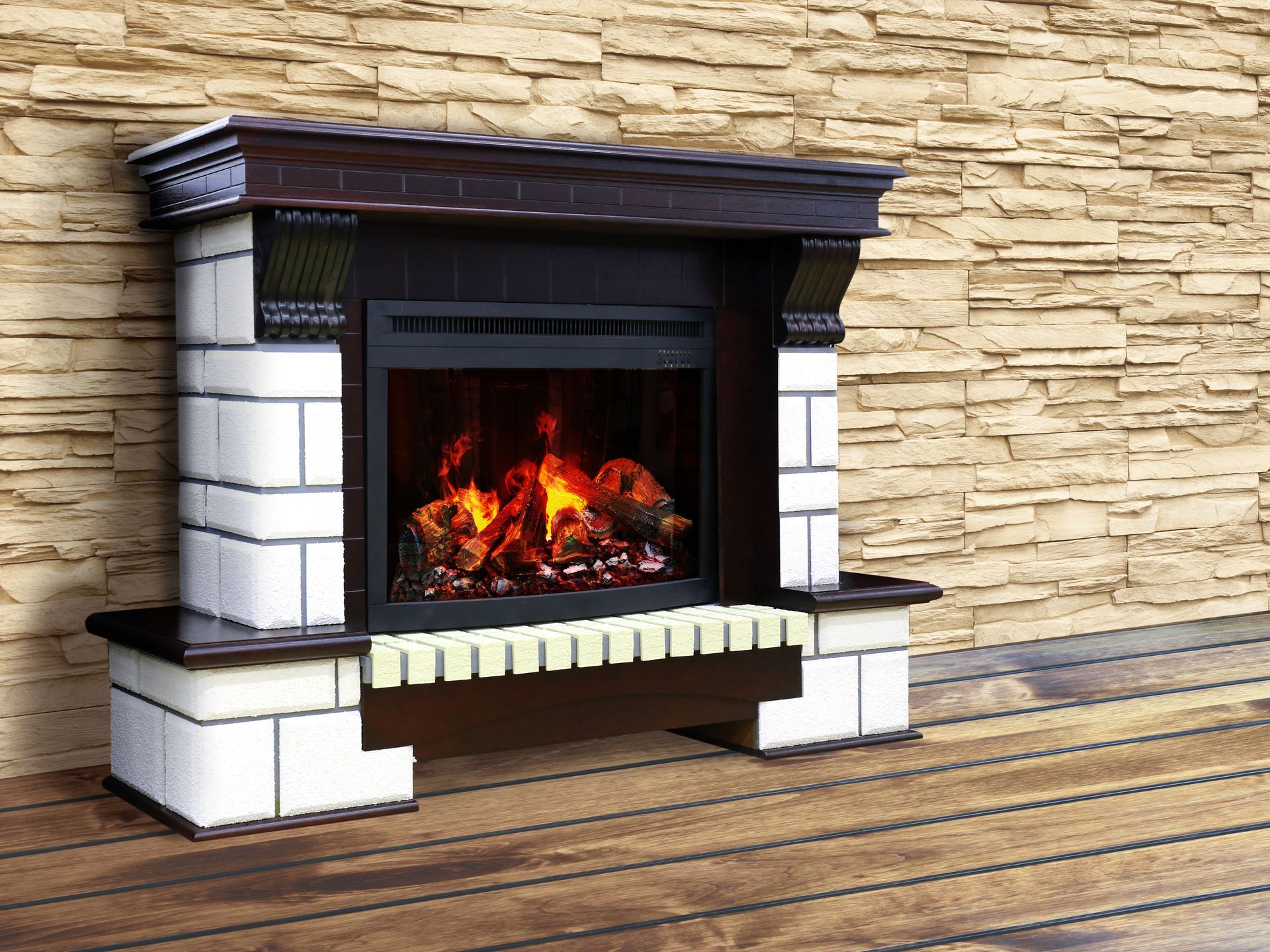
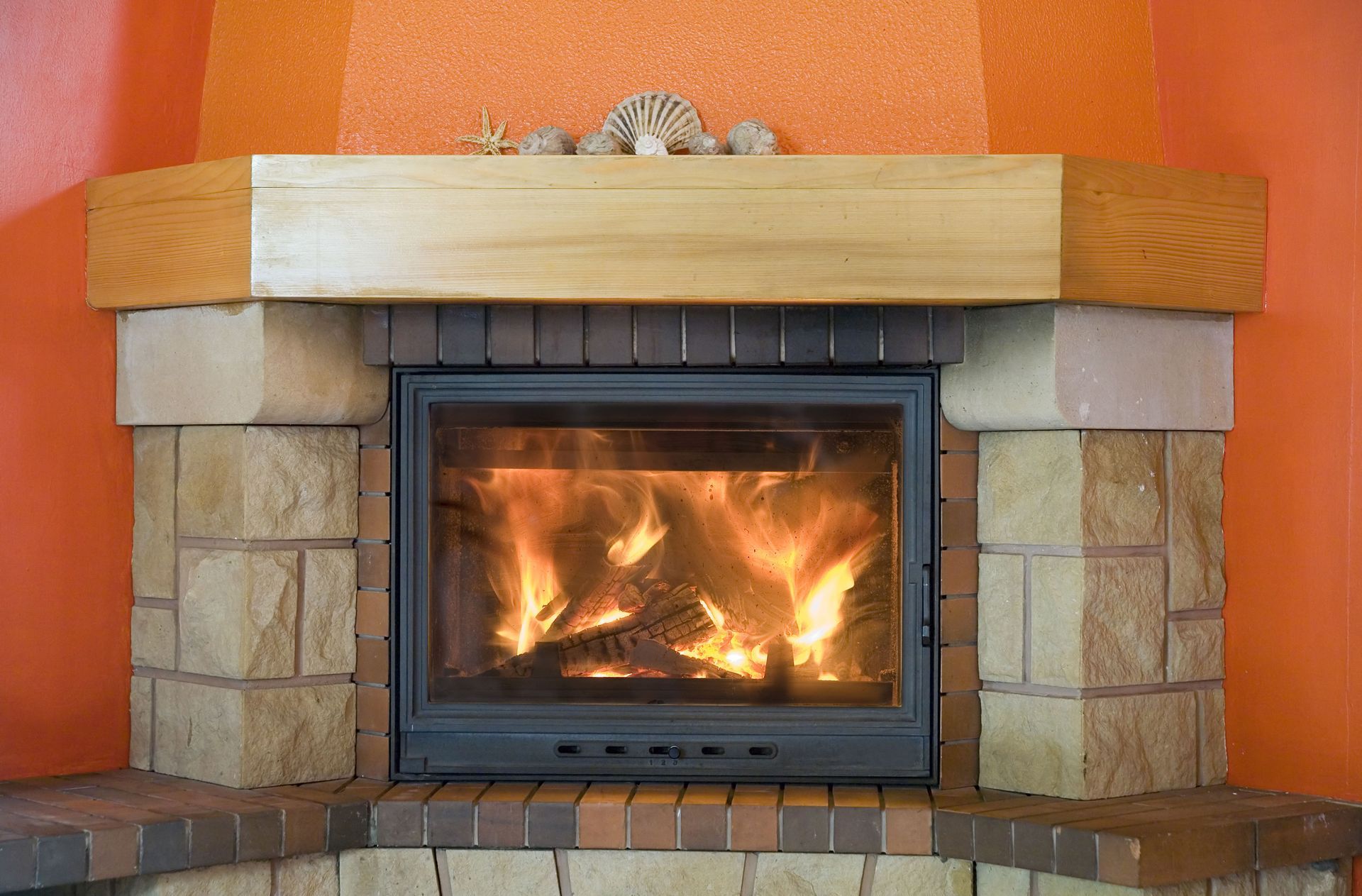
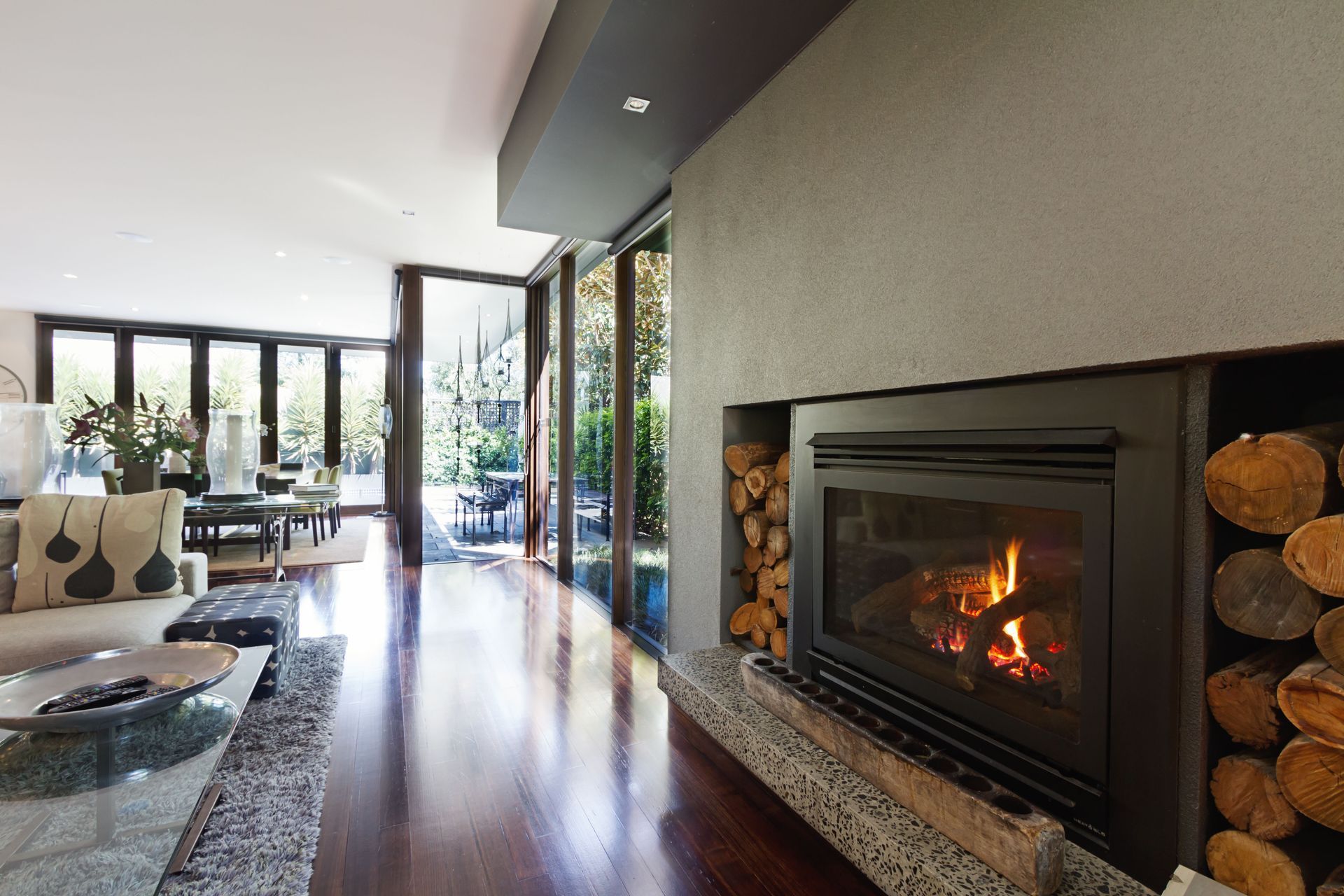
Modern gas fireplaces are available in many configurations, allowing homeowners to coordinate a heating feature with different interior design styles. Traditional surrounds, contemporary linear designs, corner installations, and see-through models can create very different visual effects within a room. Placement also influences how the fireplace interacts with furniture, traffic patterns, viewing angles, and available wall space. Homeowners should consider both appearance and function when determining where an appliance belongs. Thoughtful placement can help the fireplace become an integrated part of the room.
Review Glass, Logs, and Flame Features
The visual components of a gas fireplace can significantly affect its appearance. Ceramic logs can create a traditional fire aesthetic, while glass media, stones, and other decorative elements may provide a more contemporary look. Flame presentation can also vary by model, with some systems emphasizing a realistic appearance and others using broader or more stylized patterns. Homeowners can compare these features according to their preferred design and the overall character of the room. It is important to select decorative components that are approved for the specific appliance so that appearance and equipment requirements remain compatible.
Examine Controls and Operating Convenience
Gas fireplaces can offer several control options that simplify everyday operation. Depending on the model, homeowners may be able to use wall controls, remote controls, thermostatic settings, or integrated electronic systems. These features can make it easier to adjust heat output, manage flame height, or establish preferred operating settings. Convenience features may be useful when the fireplace is used frequently. When comparing systems, homeowners should consider which controls fit their routines and whether the interface is straightforward for everyone who will use the appliance.
Assess Venting and Installation Requirements
Installation requirements vary according to the fireplace design, fuel type, venting configuration, and location selected for the appliance. Vent components may need to pass through walls or roofs, while clearances around combustible materials must be maintained according to manufacturer specifications and applicable requirements. The fuel connection also needs to be properly coordinated with the appliance and property. Professional installation helps ensure these factors are evaluated before the fireplace is placed into service. Discussing the proposed location early can also reveal structural or layout considerations that could affect the project.
Plan for Seasonal Operation and Maintenance
Regular professional maintenance can help keep a gas fireplace operating as intended throughout its service life. A technician can inspect relevant components, evaluate venting, check connections, and identify signs of wear or operational concerns. Maintenance needs can vary depending on the model, frequency of use, fuel type, and manufacturer recommendations. Homeowners should retain product documentation and follow the recommended service schedule. Seasonal attention can provide an opportunity to address concerns before heating season.
Understand Safety and Indoor Air Considerations
Gas-burning appliances require appropriate installation, ventilation, clearances, and maintenance to operate safely. Homeowners should understand the safety features included with their selected model and follow the manufacturer's operating instructions. Carbon monoxide detection is also an important consideration in homes with fuel-burning appliances, and detectors should be installed and maintained according to applicable guidance. Unusual odors, unexpected flame behavior, soot, or changes in appliance performance warrant professional evaluation. Keeping the surrounding area clear and following the manufacturer's instructions can further support responsible operation.
Match Fireplace Features to Lifestyle Needs
The right gas fireplace depends on more than heating output or visual style. Homeowners may prioritize supplemental heat, design, simple controls, frequent use, or a combination of these characteristics. Families should also consider how often the appliance will operate and whether it will be used primarily for comfort, ambiance, or both. Comparing these priorities can help narrow the available options without focusing on a single feature in isolation. A professional consultation can connect those preferences with appropriate equipment and installation considerations.
Explore Modern Fireplace Technology
Contemporary gas fireplace systems can incorporate technology designed to improve convenience and control. Some models offer programmable thermostats, remote operation, electronic ignition, adjustable flame settings, or compatibility with smart-home systems. These features can make the appliance easier to integrate into household routines. However, technology should complement rather than overshadow fundamental considerations such as proper sizing, installation, venting, and maintenance. Homeowners can evaluate optional features according to their practical value.
Compare Fuel Types and Operating Needs
Natural gas and propane can both support gas fireplace operation, but fuel availability can influence equipment selection and installation planning. A home's existing utility connections, fuel storage arrangements, and local service considerations may affect which option is practical. Homeowners should discuss fuel requirements with a qualified professional before selecting equipment. Understanding operating needs in advance can make the overall installation process more predictable.
Coordinate Fireplaces With Interior Design
Fireplaces can serve as architectural focal points as well as sources of warmth. Surround materials, mantel arrangements, hearth designs, and viewing areas can all influence how the appliance fits into a finished room. Homeowners can consider the fireplace alongside flooring, cabinetry, furniture, and other permanent design elements. Coordinating these details early can create a more cohesive result and help avoid conflicts during installation.
Review Long-Term Ownership Considerations
Gas
fireplaces are long-term additions to a home, so homeowners should consider service access, replacement components, operating habits, and future maintenance before making a selection. Choosing equipment with readily understood controls and accessible service requirements can make ownership easier over time. Manufacturer documentation can provide important information about operation and recommended professional servicing. A thoughtful selection process helps homeowners consider both immediate enjoyment and the practical responsibilities associated with the appliance.
All Fired Up Fireplace & Outdoor Living can help homeowners explore gas fireplace options that complement their homes and heating needs. We can discuss design preferences, heating requirements, installation considerations, and available features so you can make informed choices about your project. Our team can help you evaluate fireplace solutions for new installations or updates to an existing living space. If you are considering a new gas fireplace, contact All Fired Up Fireplace & Outdoor Living to discuss your goals and explore options for creating a comfortable, inviting space.