May 6, 2026
The allure of an open flame has long served as a focal point for human gathering, providing warmth, light, and a sense of communal security. In the modern era, this primal attraction has shifted from survival to the pursuit of elevated outdoor living. As homeowners seek to extend their living rooms beyond the physical walls of the house, the integration of fire features has become a primary objective for those wishing to create an inviting atmosphere. However, the introduction of fire into a backyard or patio setting necessitates a profound commitment to safety and the selection of high-quality equipment. Choosing the right components ensures that the beauty of a flickering flame does not transform into a hazardous situation for the property or its occupants.
The recent surge in home improvement projects highlights a significant shift in how people view their exterior environments. Families are no longer content with a simple patch of grass; they desire functional, luxurious retreats that can be enjoyed throughout the seasons. This cultural movement toward alfresco relaxation is supported by current market data. According to WifiTalents, 82% of U.S. homeowners say they are more interested in upgrading outdoor spaces than before 2020. This heightened interest has led to an explosion of innovative fireplace products designed specifically to withstand the elements while providing a secure and controlled burn. By understanding the various safety features and technological advancements available, homeowners can make informed decisions that prioritize both style and well-being.
Selecting Durable Fire Pits
The foundation of any safe outdoor fire area begins with the vessel itself. A high-quality fire pit must be constructed from materials that can endure extreme temperature fluctuations without warping or cracking. Heavy-gauge steel, cast iron, and reinforced concrete are among the most reliable choices for a long-lasting installation. When exploring various fireplace products, it is essential to look for units that feature integrated ventilation systems. Proper airflow not only creates a cleaner, more efficient burn but also prevents the dangerous buildup of gasses.
Installing Mesh Spark Guards
One of the most common risks associated with wood-burning fire features is the escape of embers and sparks. A sudden gust of wind can carry a glowing coal onto a wooden deck, dry vegetation, or outdoor furniture, leading to an unwanted ignition. To mitigate this danger, the use of a heavy-duty mesh spark guard is highly recommended. These screens act as a protective barrier, allowing heat and light to radiate outward while keeping the combustible materials safely inside the bowl.
When selecting these types of fireplace products, homeowners should ensure that the mesh is fine enough to catch small sparks but durable enough to resist rust and corrosion. Many modern designs include hinged doors or lift-off handles, allowing for easy access to the fire to add more fuel without completely removing the safety barrier.
Utilizing Gas Log Systems
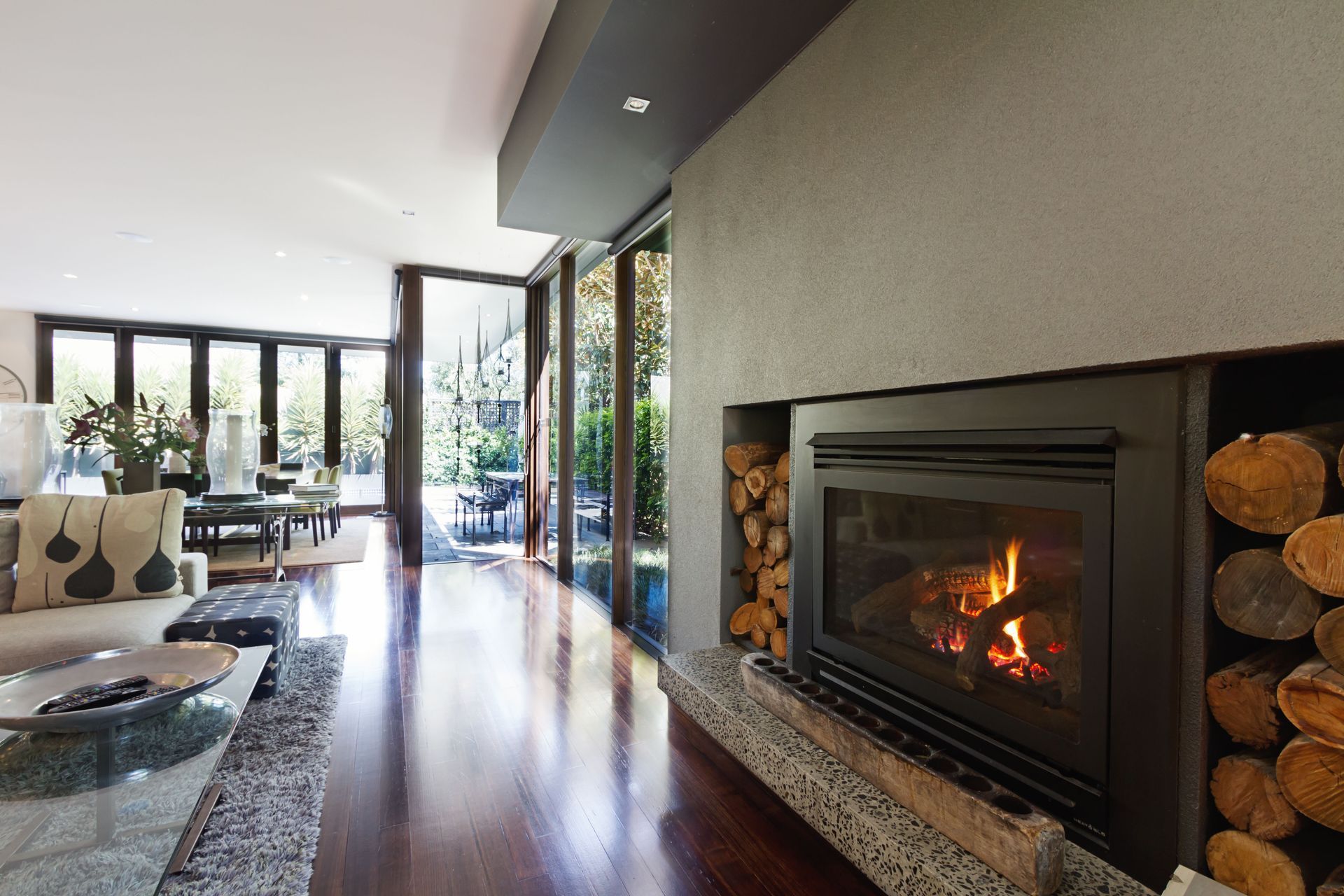
For individuals seeking the ambiance of a fire without the unpredictability of flying sparks and smoke, gas-powered systems offer a sophisticated alternative. These units utilize liquid propane or natural gas to create a consistent and controllable flame. High-end gas fireplace products are designed to mimic the appearance of real wood, using ceramic logs or glass media that glow with an authentic radiance. The primary safety advantage of gas is the ability to extinguish the flame instantly with the turn of a valve or the press of a button.
Safety sensors are another vital component of modern gas installations. Many units are equipped with thermocouple valves that automatically shut off the gas supply if the flame is accidentally blown out by the wind. This prevents the accumulation of unburned gas, which could pose an explosion risk. Because gas fires produce no embers and minimal soot, they are often permitted in areas where wood-burning fires are restricted due to air quality regulations or high fire danger. This makes them an excellent choice for urban patios and closely grouped residential communities.
Securing Protective Floor Pads
The area immediately surrounding a fire feature is just as important as the feature itself. Even with a sturdy pit, radiant heat can damage the underlying surface over time. For those placing fire bowls on wooden or composite decks, a specialized heat shield or fire mat is an indispensable safety tool. These pads are composed of fire-resistant materials that reflect heat upward and away from the combustible flooring, preventing charring or structural weakening of the deck boards.
Beyond heat protection, these floor pads also serve to catch any stray ash or small coals that might fall during the fuel-loading process. When integrated with other fireplace products, a well-chosen mat provides a clear visual boundary for the "hot zone," reminding guests and children to maintain a safe distance. Choosing a pad that is significantly larger than the footprint of the fire pit ensures maximum coverage and peace of mind during late-night gatherings.
Maintaining Chimney Cap Integrity
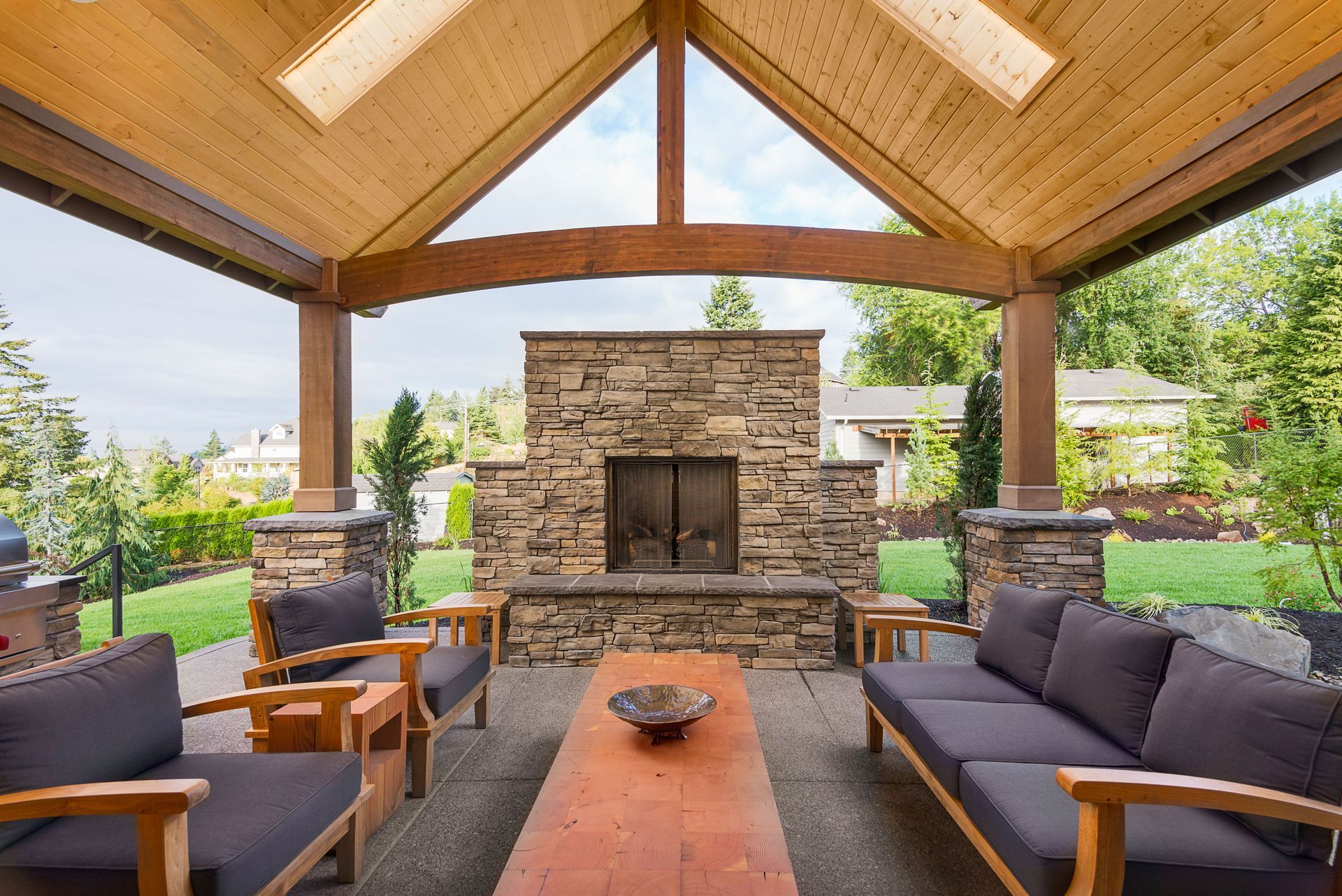
For homes equipped with full outdoor fireplaces, the chimney serves as the primary exhaust for heat and smoke. To prevent the exit of large sparks and the entry of debris or small animals, a chimney cap with a built-in spark arrestor is essential. This component sits at the very top of the flue and is often made of stainless steel or copper to resist the harsh outdoor environment. Without a functional cap, a chimney can act like a giant straw, allowing wind to push embers onto the roof of the house.
Regular maintenance of these fireplace products is necessary to ensure they do not become clogged with soot or creosote. A blocked spark arrestor can cause smoke to back up into the seating area, creating an unpleasant and potentially unhealthy environment. By ensuring the chimney is capped and cleaned periodically, homeowners can enjoy the luxury of a grand hearth while maintaining a high standard of fire suppression and ventilation.
Storing Essential Fire Tools
A safe fire experience also depends on having the right tools on hand to manage the burn. Long-handled pokers, tongs, and shovels allow the user to rearrange logs and debris without placing their hands too close to the heat. High-quality tool sets are often sold as companion fireplace products and should be made of wrought iron or steel to ensure they do not bend or melt under pressure. Having these instruments readily available encourages the responsible management of the fire throughout the evening.
In addition to management tools, every outdoor fire area should have a dedicated method for emergency extinguishment. This may include a heavy-duty lid for the fire pit, a bucket of dry sand, or a fire extinguisher rated for outdoor use. Being prepared for the unexpected is the hallmark of a responsible host. When the evening is over, having the proper tools to spread out the coals and ensure they are completely cold to the touch is the final, crucial step in the safety cycle.
Creating the perfect outdoor sanctuary is a journey that combines personal style with technical necessity. Whether you prefer the crackle of a wood-burning hearth or the clean convenience of a gas flame, the right products make all the difference in the world. At All Fired Up Fireplace & Outdoor Living, we are dedicated to providing the expertise and the high-caliber components needed to make your vision a reality while keeping your home and family protected.